PRIZM MEDICAL · TECHNICAL COMMUNICATION
Making Technical Products Understandable
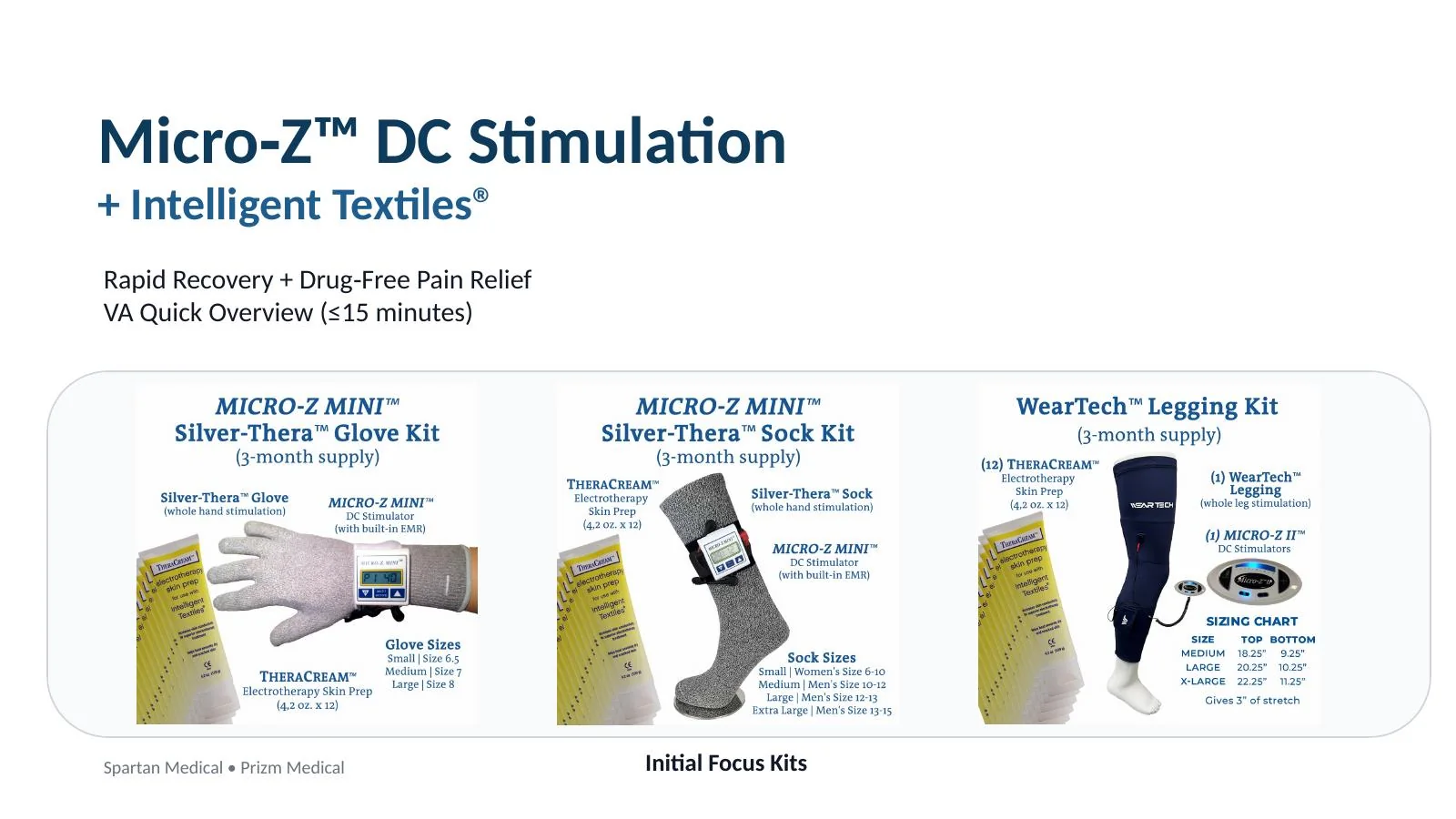
Complex products need a clear story—and useful tools for the people explaining them.
I developed websites, presentations, product imagery, videos, and distributor materials for Prizm Medical. This case study focuses on how I made technical information easier to use for patients and distributor teams.
The challenge
Prizm’s products combine devices, garment electrodes, accessories, and technical information. A customer exploring a product and a distributor preparing to explain it need different levels of detail, organized around their next questions.
My role
As VP of Marketing & Corporate Development, I developed communication across websites, presentations, and sales resources, working with company leadership and its product information. My role was to turn that material into a clearer narrative and a usable visual experience.
01 · Start with the audience’s questions.
I developed websites to introduce Prizm’s medical devices and guide readers into relevant technical detail. For products such as ReviStim™ and WoundStim™, the communication needed to explain what the products were, how the pieces related, and where to go next.
A practical communication sequence
- Orient: identify the product and its intended context.
- Show: make the device, garment, and accessories visible.
- Explain: organize features and company-provided technical information.
- Guide: provide a clear next step for learning more or starting a conversation.
That same structure informed the presentation and distributor materials, creating continuity between a website introduction and a more detailed sales conversation.
02 · Give the presenter a clear path.
The distributor overview organizes a technical subject into a short, navigable story: product introduction, operating concepts, kit contents, program explanations, a demonstration sequence, safety information, and next steps.
Key decision: layer the detail
A brief introduction opens the conversation; product and kit sections provide the supporting detail. This gives the presenter a structure to follow without putting every technical point on the opening slide.
Key decision: make it usable
Kit images, short explanations, and an organized demonstration checklist make the material useful during a conversation and as a reference afterward.
03 · Show the product in context.
For ReviStim™, still imagery and video play different roles. Product images help viewers recognize components at a glance; the home-use and introduction videos organize the information into a sequence viewers can follow.
For a separate example of the Sport-Z™ product imagery and setup graphics, see the WearTech case study.
Patient education · Sales enablement
Selected Prizm Medical work
The same product story needed to work for people using a device at home and for teams explaining it professionally. These samples show how I changed the format, sequence, and level of detail for each audience. I created the videos below, including the voiceover.
Patient education
ReviStim™ Home Use Guide
A step-by-step walkthrough designed for home users.
Watch on YouTube ↗Sales enablement
Prizm Medical Sales Presentation
A guided presentation that organizes the product story for sales conversations.
Watch on YouTube ↗Product introduction
ReviStim™ Introduction
A short video that introduces the device and shows its place within the product line.
Watch on YouTube ↗Selected brochures
Print samples showing how I organized technical information for different readers.
Clinic-facing overview
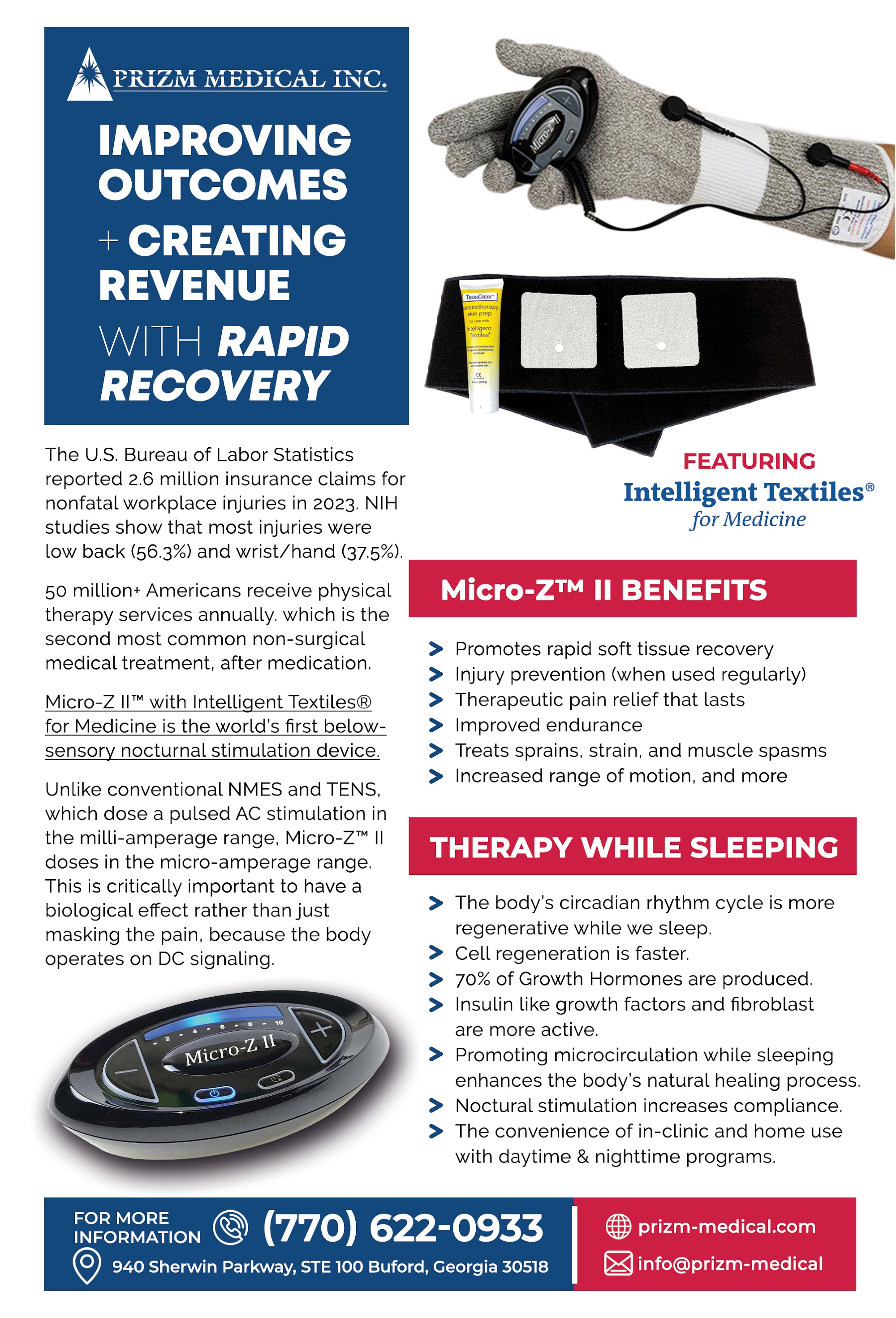
Micro-Z II Clinic Introduction
A product overview that pairs photography with an at-a-glance layout for clinic readers.
View full image ↗
Comparison infographic
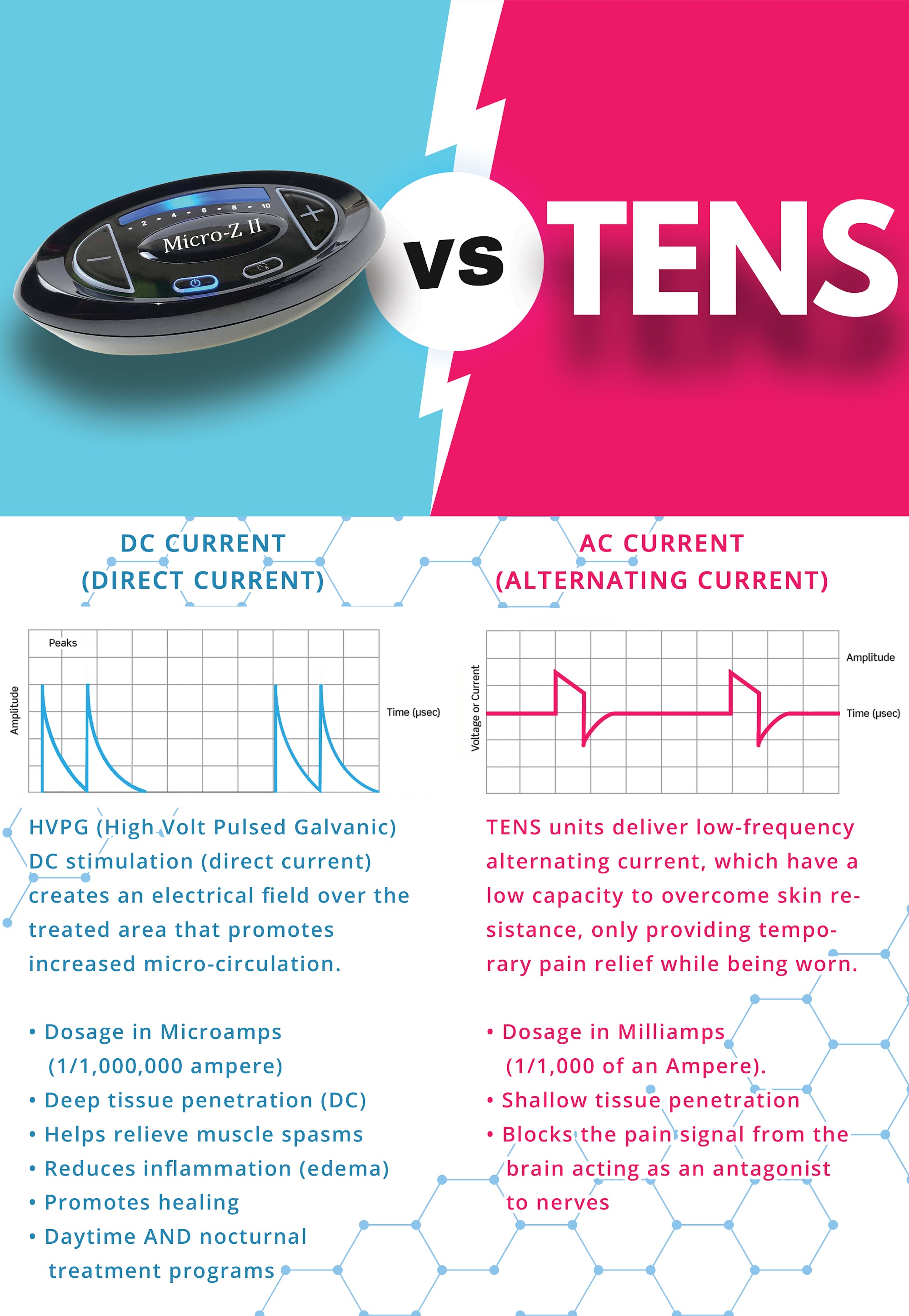
Micro-Z II Comparison Infographic
A side-by-side layout that uses waveform graphics and color to make technical distinctions easier to scan.
View full image ↗
Technical illustration
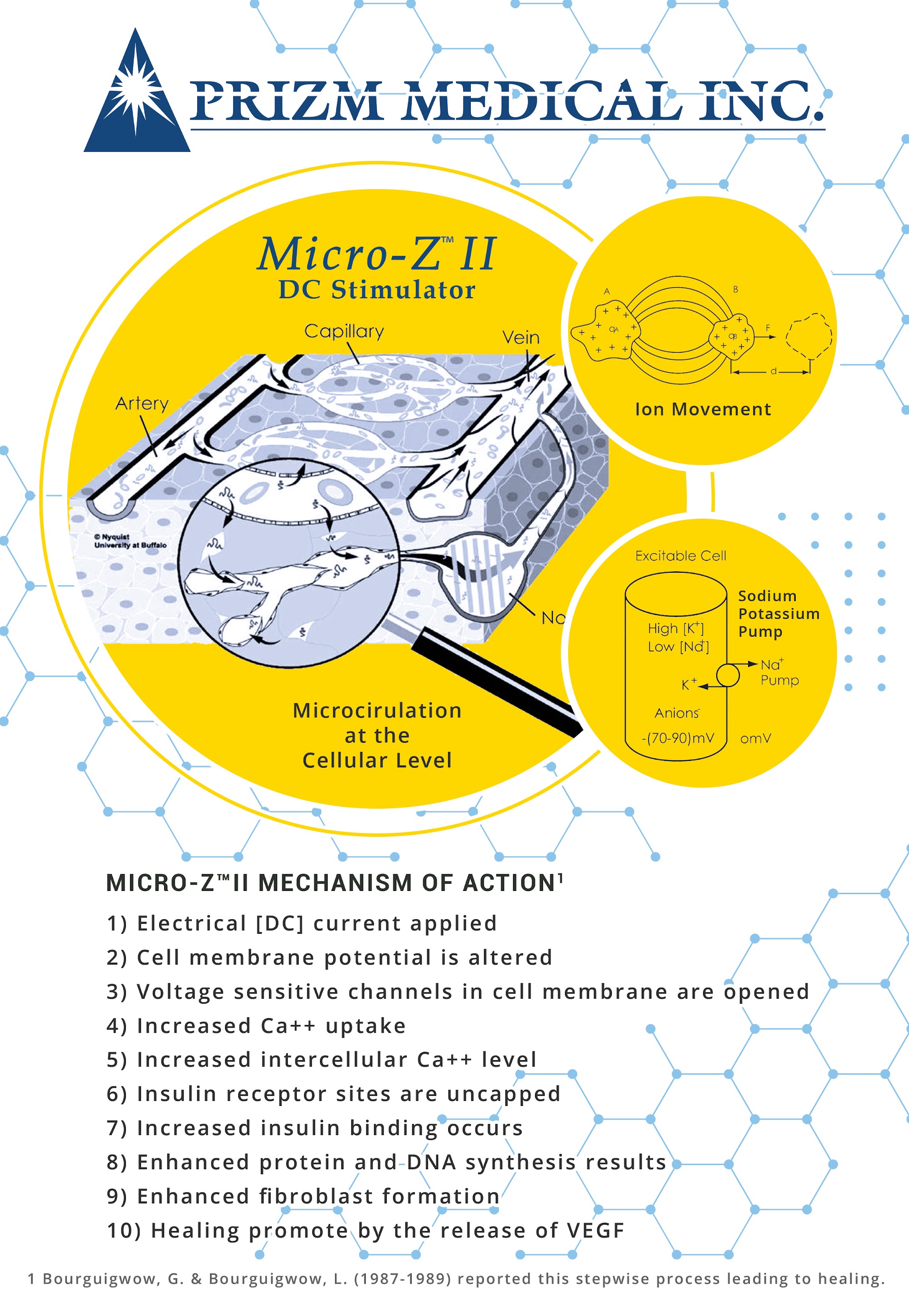
Micro-Z II Mechanism of Action
A sequential explanation that uses diagrams to organize a complex technical story.
View full image ↗The completed work—and what it demonstrates.
- Websites: product narratives and a route into more detailed information.
- Presentations: structured explanations for sales and distributor conversations.
- Distributor materials: product and kit information arranged for practical reference.
- Visual education: product image series and illustrated setup material.
Project imagery reproduces company marketing materials. Medical and performance claims shown within those materials are the company’s claims; this case study documents my development and communication work.
Let’s create something extraordinary.
Have a product to develop, a complicated story to explain, or a team that could use both imagination and hands-on help? I’d love to hear what you have in mind.
PART OF A BIGGER PICTURE